Introduction
In an increasingly globalized world, the ability to communicate across language barriers is more essential than ever. Teams are no longer confined within geographical boundaries; they comprise individuals from diverse linguistic backgrounds. Consequently, effective communication becomes a cornerstone for productivity and collaboration. This article will explore The Role of Technology in Facilitating Better Multi-language Conversations Among Teams, focusing on how advanced technologies, including business phone systems and translation tools, enhance multi-language interactions.
Understanding Multi-language Communication Challenges
What Are the Common Barriers to Multi-language Communication?
Communication is fundamental to teamwork and collaboration. However, language differences can create significant barriers. Misunderstandings can arise from idiomatic expressions, cultural nuances, or even pronunciation variations. For instance:
- Misinterpretation: A phrase may have different meanings in different cultures. Limited Vocabulary: Team members might struggle to articulate complex ideas in a second language.
These challenges can result in decreased productivity and frustration among team members.
The Role of Technology in Facilitating Better Multi-language Conversations Among Teams
Technology plays a pivotal role in bridging communication gaps. From real-time translation services to sophisticated business phone systems that support multiple languages, the landscape of team communication has transformed dramatically.
How Does Technology Help Overcome Language Barriers?
Instant Translation Tools: Applications like Google Translate or Microsoft Translator enable teams to translate messages instantly. Video Conferencing Platforms: Tools such as Zoom and Microsoft Teams offer features like live captions and subtitles. Voice Recognition Software: This technology transcribes spoken language into text, making it easier for non-native speakers to follow conversations.These tools ensure that language does not impede effective collaboration.
Business Phone Systems: A Game Changer for Multi-language Communication
What Are Business Phone Systems?
Business phone systems refer to telecommunications solutions designed specifically for organizations to manage calls efficiently. They often include features such as voice mail, call forwarding, and conference calling capabilities.
How Do Business Phone Systems Facilitate Multi-language Conversations?
Business phone systems equipped with multi-lingual support allow teams to interact seamlessly across different languages. Features such as:
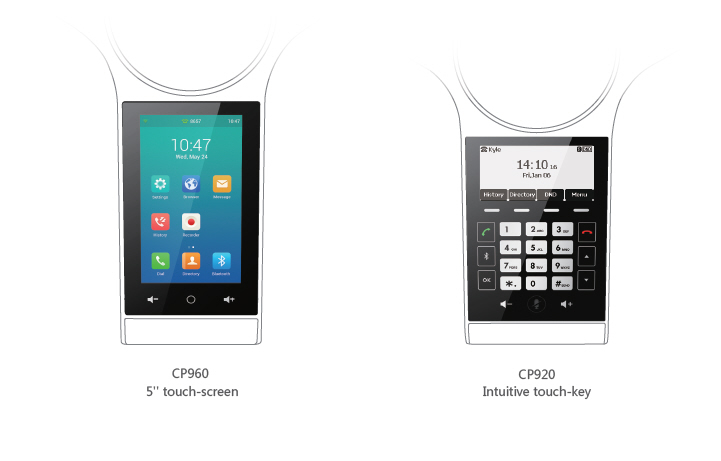
- Language Customization: Users can select their preferred language for prompts and menus. Call Routing: Incoming calls can be directed based on the caller's language preference.
This customization ensures that all team members feel included and understood.
Real-time Translation Tools: Making Conversations Seamless
What Are Real-time Translation Tools?
Real-time translation tools facilitate immediate translation during conversations or text exchanges. These tools use artificial intelligence (AI) to analyze speech patterns and context effectively.
Benefits of Using Real-time Translation Tools
- Enhanced Clarity: Reduces misunderstandings during conversations. Increased Efficiency: Saves time by eliminating the need for back-and-forth translations.
By integrating these tools into daily communications, teams can enhance clarity while fostering inclusivity.
Video Conferencing Platforms and Their Impact on Language Diversity
Why Are Video Conferencing Platforms Important?
With remote work becoming commonplace, video conferencing platforms have emerged as vital communication tools. They bring together team members from various locations while offering capabilities that traditional meetings cannot match.
Features That Support Multi-language Conversations
Live Captioning: Provides subtitles for spoken words in real time. Multi-lingual Support: Allows users to select preferred languages for interface navigation.These features empower teams to engage meaningfully despite language differences.

Voice Recognition Software: Transforming Communication
What Is Voice Recognition Software?
Voice recognition software converts spoken words into text or commands using AI technologies. This innovation is particularly beneficial for individuals who may find typing challenging due to language proficiency issues.
Advantages of Voice Recognition Software
- Accessibility: Makes it easier for non-native speakers to participate actively in discussions. Efficiency: Speeds up documentation processes by generating transcripts automatically.
As a result, voice recognition software acts as a catalyst for better communication among diverse teams.
Cultural Sensitivity in Multi-language Communication
Why Is Cultural Sensitivity Important?
Cultural sensitivity refers to awareness of cultural differences that affect communication styles and practices. It plays an essential role in fostering respectful interactions among team members from varying backgrounds.
How Can Technology Promote Cultural Sensitivity?
Technologies such as online training modules can educate team members on cultural competencies:
- Training programs include scenarios highlighting cultural misunderstandings. Interactive workshops foster open discussions about diversity and inclusion within teams.
Promoting cultural sensitivity ultimately enhances collaborative efforts while minimizing potential conflicts arising from misunderstandings.
Best Practices for Implementing Technology Solutions
What Best Practices Should Organizations Follow?
When integrating technology solutions into multi-language communications, organizations should consider several best practices:
Assess Team Needs: Understand which languages are most commonly spoken within your team. Choose the Right Tools: Based on team needs, select applications that facilitate seamless communication. Train Employees: Provide adequate training on new technologies before implementation. Monitor Usage & Feedback: Regularly review how well tools are being utilized and gather feedback for continuous improvement.By adhering to these practices, organizations can maximize their investment in technology solutions while fostering an inclusive environment conducive to effective collaboration across languages.
FAQs
1. What are some popular real-time translation tools available today?
Some popular real-time translation tools include Google Translate, Microsoft Translator, iTranslate, and Skype Translator among others. These applications allow VoIP Phone System users to translate text or speech instantly during conversations.
2. Can business phone systems support multiple languages?
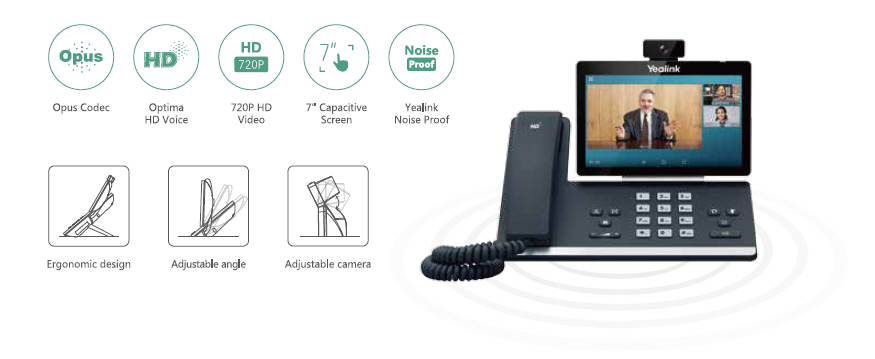
Yes! Many modern business phone systems come equipped with multi-lingual support options that allow users to select their preferred language for prompts, menus, and voicemail settings ensuring ease of use across diverse teams.
3. How do video conferencing platforms enhance multi-lingual conversations?
Video conferencing platforms often feature live captioning or subtitling options which help non-native speakers follow along during meetings thereby improving engagement levels across participants with different linguistic backgrounds.
4. Is voice recognition software useful only for English?
No! Voice recognition software supports multiple languages allowing users worldwide access regardless of their primary language enabling efficient transcription services irrespective of linguistic barriers faced by diverse teams globally!
5.What steps should companies take when implementing new technology?
Companies should assess their team's specific needs regarding languages used; choose appropriate technological solutions accordingly; provide comprehensive training sessions before rollout while continuously monitoring effectiveness through user feedback mechanisms post-implementation!
Conclusion
As businesses continue expanding globally, the need for effective multi-language communication becomes increasingly critical. By leveraging technology—specifically advanced business phone systems alongside innovative translation tools—organizations can foster environments where inclusivity thrives through seamless dialogue among diverse team members regardless of linguistic backgrounds! Embracing these advancements not only mitigates barriers but also enhances overall productivity leading towards successful collaborations yielding positive outcomes across multicultural enterprises everywhere!
In summary, understanding The Role of Technology in Facilitating Better Multi-language Conversations Among Teams is paramount moving forward; embracing this evolution will undoubtedly shape the future workplace dynamics enhancing connections worldwide!