In a world that thrives on connectivity, the evolution of communication technology is a compelling narrative. As we forge ahead, one significant advancement stands at the forefront: VoIP phones. Voice over Internet Protocol (VoIP) is not merely a trend; it's the future of communication. In this article, we will explore the ins and outs of setting up VoIP phones today, providing you with comprehensive insights into their benefits, setup procedures, technologies involved, and much more.
What Are VoIP Phones?
VoIP phones represent an innovative leap from Encino VoIP phone reviews traditional telephony to internet-based communication. Instead of relying on conventional phone lines, VoIP technology harnesses the power of the internet to transmit voice data in real-time.
Understanding VoIP Technology
At its core, VoIP converts analog voice signals into digital packets and sends them over IP networks. This transformation allows for call quality that often surpasses traditional phone systems while significantly reducing costs.
How Does VoIP Work?
Conversion: When you speak into a VoIP phone, your voice is converted into digital data. Transmission: This data travels via your internet connection to reach its destination. Reception: At the other end, it’s transformed back into audio signals that the recipient can hear.Types of VoIP Phones
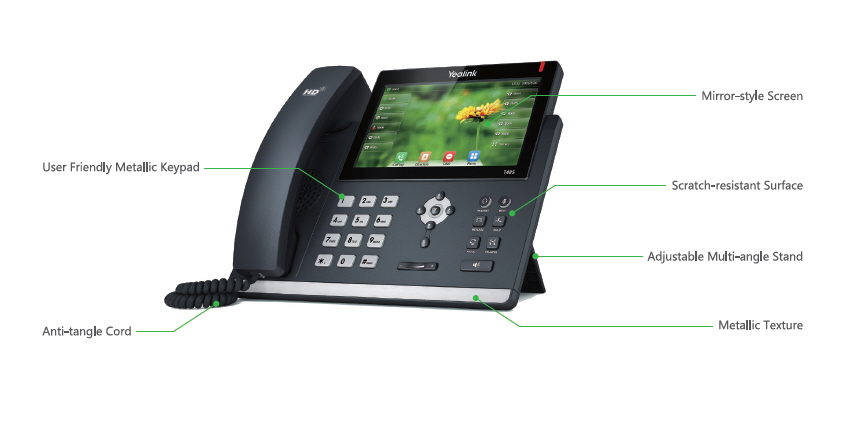
- Hardphones: Physical devices resembling traditional phones but equipped with advanced features. Softphones: Software applications installed on computers or smartphones enabling calls through an internet connection. Mobile VoIP: Applications allowing users to make calls using their mobile devices over Wi-Fi or cellular data.
The Future of Communication: Setting Up VoIP Phones Today
Setting up your own VoIP system can seem daunting at first glance. However, VoIP Phones understanding each step simplifies the process considerably.
Benefits of Using VoIP Phones
Before diving into setup procedures, let's examine why you should consider making the switch to VoIP:
Cost-Efficiency
One of the primary reasons businesses transition to VoIP is cost savings. Traditional phone systems often involve hefty hardware costs and ongoing maintenance fees.
Flexibility and Scalability
VoIP systems can easily adapt to your growing business needs without significant additional investments in infrastructure.
Enhanced Features
From video conferencing capabilities to voicemail-to-email services, modern VoIP systems offer a range of features that enhance productivity and communication.
Choosing the Right Provider for Your VoIP Needs
When selecting a provider for your VoIP phone system, several factors come into play.
Key Features to Look For
Call Quality: Ensure they provide high-definition audio quality. Customer Support: Reliable technical support can save you headaches down the line. Scalability Options: Look for providers that allow easy expansion as your needs grow. Security Measures: Data protection must be a top priority with any provider you choose.Comparing Different Providers
| Provider | Monthly Cost | Call Quality | Customer Support | Scalability | |----------------|--------------|--------------|------------------|-------------| | Provider A | $20 | Excellent | 24/7 | High | | Provider B | $15 | Good | Business Hours | Medium | | Provider C | $25 | Excellent | 24/7 | High |
Essential Equipment for Setting Up Your VoIP System
Equipping yourself with the right tools is essential when transitioning to a new communication system.
Necessary Hardware Components
- VoIP Phones: As discussed earlier, these can be either hard or softphones. Router: A high-quality router ensures seamless connectivity and call quality. Headsets: For softphone users, investing in good headsets significantly enhances sound clarity during calls.
Step-by-Step Guide to Setting Up Your VoIP Phone System
Now that you've chosen your provider and gathered necessary equipment let’s get into setting it all up!
Step 1: Choose Your Internet Connection
A stable internet connection is critical for effective usage of your new system. Ideally, opt for a broadband connection with sufficient bandwidth (at least 1 Mbps upload/download speed per call).
Step 2: Set Up Your Router
Connect your router to your modem using an Ethernet cable. Log in to your router’s web interface by entering its IP address in a browser. Configure Quality of Service (QoS) settings if available; prioritize voice traffic for optimal call quality.Step 3: Connect Your VoIP Phone
For hardphones:
Plug one end of an Ethernet cable into your phone's LAN port. Connect another end to one of the router's ports.For softphones:
Download and install the application provided by your service provider on your device. Follow prompts to set up user credentials provided by the provider.Configuring Advanced Features on Your VoIP System
Once basic setup is complete, leveraging advanced features can truly elevate how you communicate.
Integrating Messaging Systems
Many modern providers allow integration with messaging platforms like Slack or Microsoft Teams for seamless communication across channels.
Video Conferencing Capabilities
With remote work becoming increasingly common, configuring video calling options can greatly benefit team collaboration efforts.
FAQs about Setting Up VoIP Phones
What are some common issues faced when setting up a VoIP phone?
Common issues include poor call quality due to inadequate bandwidth or misconfigured routers affecting QoS settings.
Do I need special equipment for my business?
While not mandatory, having dedicated hardware such as hardphones or headsets may enhance overall usability and experience.
How do I ensure security on my VoIP system?
Implement measures like strong passwords, encryption protocols (like TLS), and regular software updates from your provider.
Can I keep my existing number?
Yes! Most providers offer number porting services allowing you to retain your current number during migration to their service.
What happens during power outages?
Unlike traditional landlines which remain operational during outages, most VoIP systems require power; consider backup solutions like UPS devices.
li26/ol6/hr8hr8/##
Conclusion
As evidenced throughout this article, transitioning toward The Future of Communication: Setting Up VoIP Phones Today offers numerous advantages that enhance both personal and professional interactions alike—the key lies in understanding how best to implement this technology effectively within unique environments and requirements effectively while maximizing benefits such as cost efficiency flexibility scalability enhanced features among others mentioned herein depending upon situational needs arising from varied contexts encountered along one's journey towards adopting modernized approaches towards telecommunications!